


jiliph888 | Exploring the World of RPG Games: A Deep Dive into Popular Titles and Trends
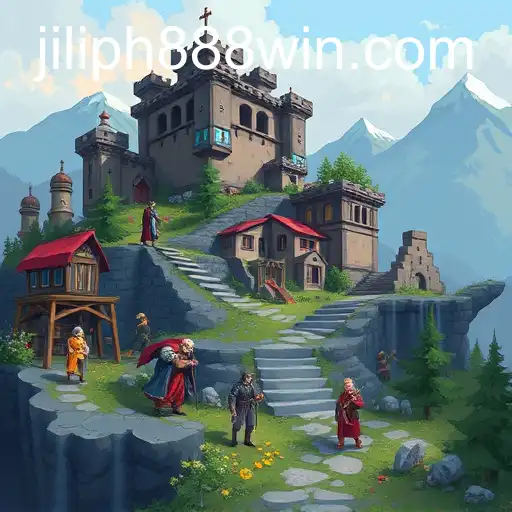
Role-playing games, commonly known as RPGs, have long held a significant place in the world of gaming. From tabletop classics to immersive digital adventures, RPGs offer players the opportunity to step into fantastical worlds, embark on epic quests, and become the heroes of their own stories. The RPG game category is vast and diverse, encompassing everything from traditional fantasy settings to gritty science fiction landscapes. One of the key elements that define RPGs is their emphasis on narrative and character development. Unlike other game genres that may focus primarily on gameplay mechanics or competitive play, RPGs invite players to dive deep into rich, immersive stories, often featuring complex characters and moral choices that affect the game's outcome. This narrative focus is a major draw for many players, providing a sense of agency and emotional connection to the game. In recent years, the RPG genre has seen a resurgence in popularity, with many developers experimenting with new mechanics and storytelling techniques to engage players. Open-world RPGs have become increasingly common, allowing for non-linear gameplay and greater freedom of exploration. Games like 'The Witcher 3: Wild Hunt' and 'The Elder Scrolls V: Skyrim' exemplify this trend, offering vast worlds brimming with lore, side quests, and vibrant NPCs. Additionally, the rise of indie games has introduced fresh perspectives and innovative concepts to the genre. Titles such as 'Undertale' and 'Disco Elysium' have garnered critical acclaim for their unique approaches to storytelling and gameplay, proving that RPGs can thrive beyond the confines of traditional AAA development. Technological advancements have also impacted the RPG landscape, with virtual reality (VR) and augmented reality (AR) offering new ways to experience these games. VR RPGs like 'Skyrim VR' provide an unprecedented level of immersion, allowing players to physically explore and interact with the game world in ways previously unimaginable. With technology continuing to evolve, the potential for RPGs to create even more absorbing experiences is limitless. The community aspect of RPGs should not be overlooked, as fans often form vibrant online communities to discuss strategies, share fan art, and create mods that expand or alter the game universe. This communal engagement helps sustain the longevity of many RPGs, with modding communities breathing new life into older titles. In conclusion, RPG games continue to captivate players by combining engaging narratives, complex characters, and immersive worlds. As the genre evolves, it embraces new technologies and creative approaches, ensuring its relevance and appeal to a diverse audience. Whether through massive open-world adventures or innovative indie experiences, RPGs provide a playground for the imagination, inviting players to become part of stories that resonate on a personal level.
